In the face of growing environmental challenges and in a context of seeking renewable and sustainable energies, solar panels are emerging as a promising solution to meet current energy needs. Solar energy, drawn directly from sunlight, offers a clean and sustainable alternative to fossil fuel energy sources. As solar technologies continue to evolve, the efficiency and accessibility of solar panels are increasing, facilitating their adoption by the general public and businesses. A thorough exploration of the advantages, technologies, applications, and future prospects of solar panels reveals their potential to transform the global energy landscape.
The Advantages of Solar Panels
Solar energy stands out due to its multiple benefits, both environmentally and economically. These advantages are encouraging more and more households and businesses to invest in this technology.
- Reduction of carbon emissions: By producing electricity without burning fossil fuels, solar panels help reduce greenhouse gas emissions, playing a key role in the fight against global warming.
- Energy independence: Installing solar panels allows users to be less dependent on traditional electricity suppliers, offering a degree of energy autonomy.
- Financial savings: Although the initial investment may be significant, solar panels can lead to substantial savings on energy bills in the long term.
- Low maintenance: With few moving parts, solar systems require little maintenance, making them particularly attractive to users looking to minimize additional costs.
Technologies and Innovations in the Solar Field
Technological advancements in the solar panel sector have significantly improved their performance and efficiency. Numerous innovations are emerging.
Multilayer photovoltaic cells, for example, capture different wavelengths of the solar spectrum more efficiently. Meanwhile, research on materials, particularly silicon, has led to the creation of thinner and more efficient cells. Furthermore, the emergence of hybrid solar technologies, combining photovoltaic and thermal, allows for a more complete use of available solar energy. Finally, advancements in solar energy storage, through batteries, enhance users’ ability to leverage this renewable energy even in the absence of direct sunlight.
Practical Applications and Uses of Solar Panels
The applications of solar panels extend far beyond simple household electricity production. Their versatility makes them a viable option in many sectors.
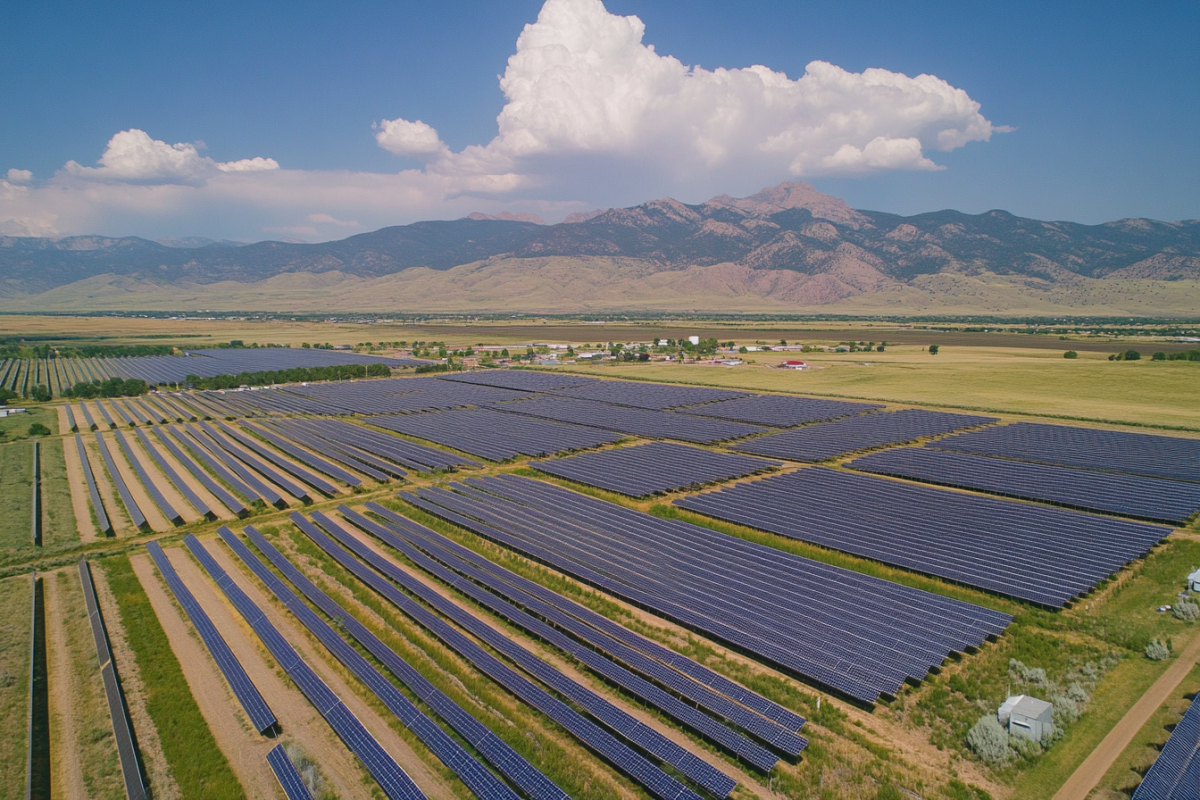
In the residential sector, solar panels are installed on rooftops to provide electricity to households. On an industrial scale, solar farms, composed of thousands of panels, power entire cities. In the transportation sector, electric vehicles are turning to solar energy to reduce their carbon footprint. Finally, in remote or underserved areas, solar energy provides an essential solution for electrifying rural zones, improving the quality of life for many communities.
Future Prospects and Challenges to Overcome
The growing popularity of solar panels suggests a promising future for solar energy, although some obstacles remain.
- Integration into the electrical grid: One of the major challenges remains the effective integration of solar energy into existing electrical grids, requiring suitable infrastructure.
- Initial cost: The initial financing of solar installations remains a barrier for some, although aids and subsidies are available to encourage them.
- Durability and recycling: Improving the durability of panels and their recycling at the end of life are growing concerns.
- Education and awareness: Informing and educating the public about the benefits of solar panels could accelerate their adoption.
Solar energy, thriving on its untapped potential, continues to transform the energy landscape. As technology advances and costs decrease, it is establishing itself as a viable and sustainable alternative to meet global energy needs. The remaining obstacles are not insurmountable, and collaboration between technological innovation, incentive policies, and public awareness could well usher in an unprecedented era of solar exploitation.