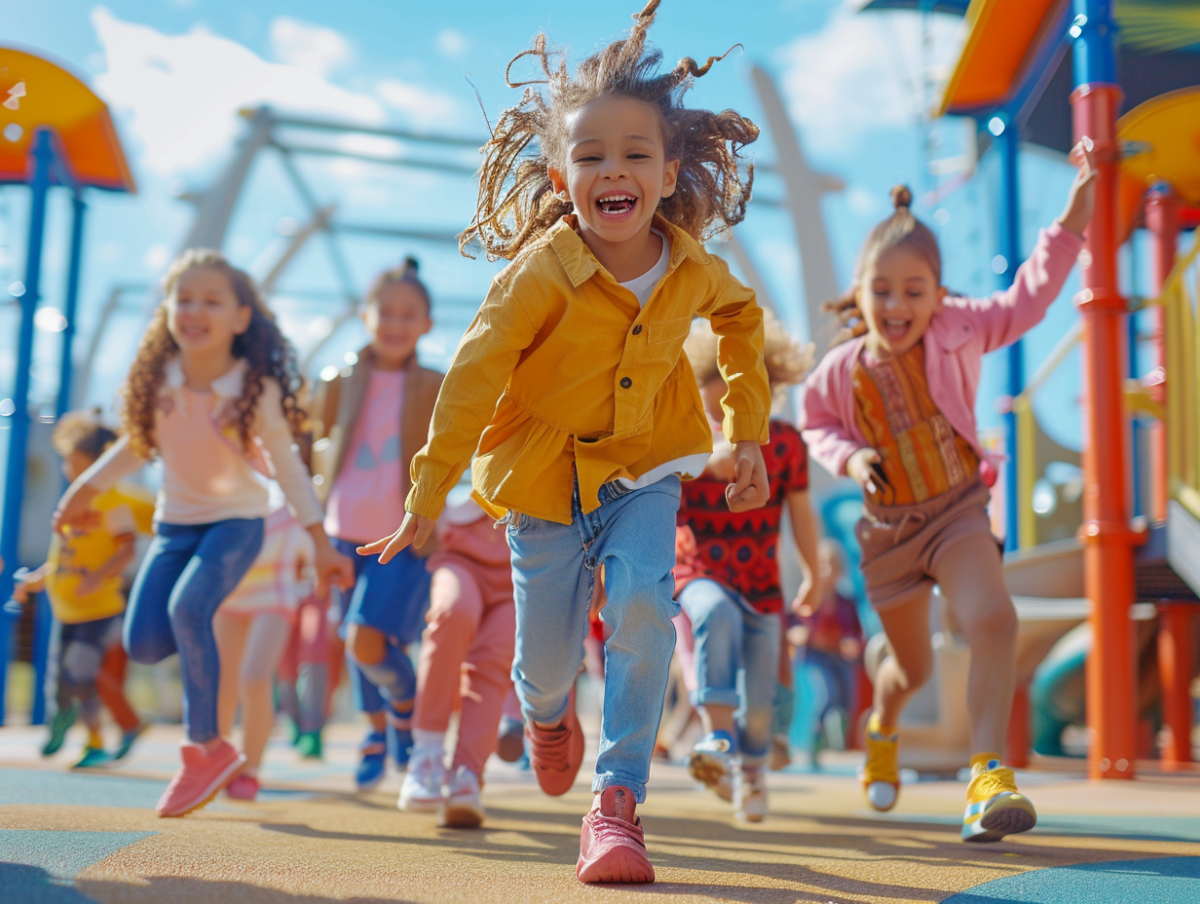
Children’s fashion is constantly evolving, reflecting not only the current aesthetic trends but also parents’ concerns about sustainability, comfort, and affordability. Today, families are looking for clothing that can withstand vigorous play while remaining stylish and budget-friendly. With the rise of eco-responsibility, parents are also more inclined to choose brands that are committed to the environment, favoring organic materials and ethical production processes. This movement towards more conscious children’s fashion is transforming the experience for parents, who must juggle their children’s desires with their own values.
The New Trends in Children’s Fashion Through Parents’ Eyes
In a whirlwind of colors and cuts, children’s fashion echoes the current concerns of adults. French households are now prioritizing children’s purchases that combine quality and eco-friendly materials. Aesthetics are no longer the sole decision-making factor; they are now accompanied by comfort and an increasingly strong environmental awareness. Socio-professional categories, whether CSP- or CSP+, are becoming indicators of these consumption habits: the former through the search for affordability, the latter through the choice of distinctive and ethical products.
The textile sector, which accounts for an average of 4% of annual spending by the French, is under particular scrutiny. Reviews on Klotha, for example, illustrate this new demand: this children’s fashion platform stands out for its offering that combines trendy style with an ecological approach. The dialogue between consumer parents and brands is strengthening, with each influencing the other’s collections in a dynamic of co-creation and loyalty.
The search for a style that appeals to children without compromising on sustainability and responsibility is giving rise to innovative shopping practices. Parents, as true arbiters, scrutinize, compare, and decide, thus shaping the children’s fashion trends of tomorrow. Children’s fashion, beyond clothing, becomes a space where broader considerations are at play: those of our children’s future and the planet they will inhabit.
The Impact of These Trends on Daily Life and Family Choices
Children’s fashion can no longer be considered independently of its environmental and social impact. In light of the price increases announced by the Union of Textile Industries, French households are forced to reduce their clothing expenses. More than ever, the fashion sector is affected by inflation that erodes purchasing power and profoundly alters consumption habits. According to a study by OpinionWay for Marques Avenue, 84% of families express a desire to limit their purchases to essential needs, reflecting a shift in priorities within the family budget.
In the face of these economic challenges, consumers are turning to diversified shopping strategies. The rise of outlet brand villages and second-hand platforms illustrates this quest for discounts and quality. Discount retailers are increasingly attracting families looking for low prices, while 80% of consumers are comparing prices more than before, highlighting a heightened vigilance regarding spending.
This evolution in shopping behavior reveals a profound transformation in the fashion sector. Current trends are no longer solely dictated by aesthetics or novelty; they now reflect a widespread awareness of the consequences of consumption. Parents, as key players in this industry, play a pivotal role in redefining children’s fashion trends, thus promoting more responsible and sustainable practices.