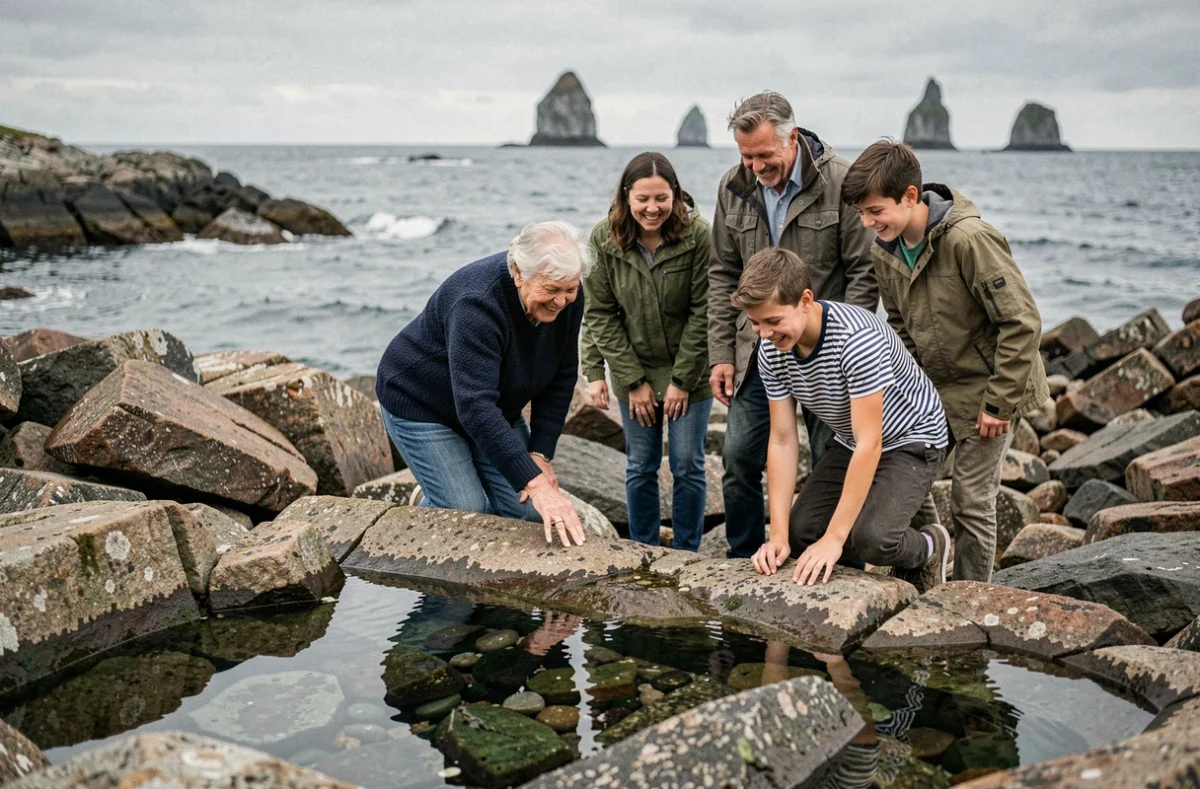
Brittany has a density of leisure activities that far exceeds the triptych of beach-crêperie-coastal path. We have observed for several seasons a structuring of the offer around soft mobility, sensory experiences, and an extended seasonality, three axes that mainstream selections rarely address in depth.
Sensory leisure in Brittany: sound and forest as a playground
The Sound Discovery Center in Cavan, in the Côtes-d’Armor, remains a unique case in the landscape of Breton leisure. The musical trail in the forest and the sound garden offer an immersive approach that relies neither on a screen nor on classic scenography. The self-guided visit lasts about two hours.
A technical point to anticipate: the roots and stones along the path make a standard stroller unsuitable. For families with young children, a hiking baby carrier is preferable. This detail conditions the actual accessibility of the site depending on the age and mobility of visitors.
This type of sensory leisure, still underrepresented in general selections, offers a concrete alternative to classic outdoor days, particularly in overcast weather, which is common in inland Brittany.
Soft mobility and car-free leisure in Brittany
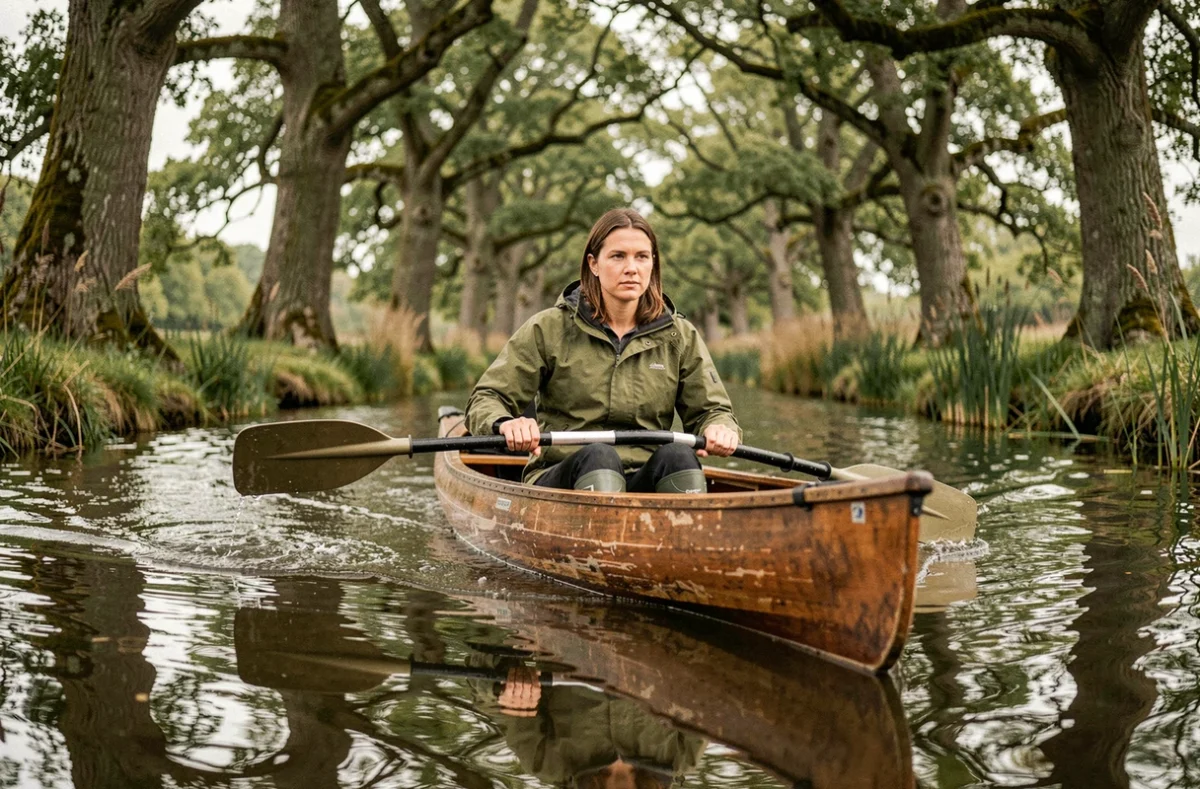
Soft mobility is no longer just a tourist guide’s advice. Brittany Tourism is now structuring this offer at the regional level with the deployment of the Accueil Vélo brand and a foundational work on the decarbonization of tourist travel. This professionalization changes the game for families wishing to explore Brittany without a motor vehicle.
We recommend targeting Accueil Vélo certified hosts and rental services rather than piecing together an itinerary without suitable infrastructure. The label guarantees secure bike parking, a repair kit, and information on local routes. To explore leisure activities to discover on Jeune Bretagne, this approach allows for combining travel and activity instead of separating the two.
Lake Guerlédan and the Côtes-d’Armor bike paths
The Lake Guerlédan area illustrates this logic well. The bike paths connect several nature leisure sites (swimming, hiking, heritage) along a route accessible to cyclists of all levels. Biking becomes the leisure activity itself, not just the means of transport.
For children, the flat sections along the Nantes to Brest canal provide a safe terrain. Teenagers find more relief on the forest sections around the lake.
Off-season Breton leisure: autumn and winter activities
The leisure offer in Brittany has long focused on the summer period. This narrow seasonality poses a concrete problem: overcrowding in July-August, deserted sites the rest of the year. Several stakeholders have begun to reverse this logic.
Keriolet Castle offered family murder mystery parties and treasure hunts in the autumn, following a summer season marked by a decline in visitors. This type of scripted activity works particularly well with an intergenerational audience: children solve the puzzles, while adults reconstruct the narrative thread.
Why prioritize All Saints’ Day or February vacations
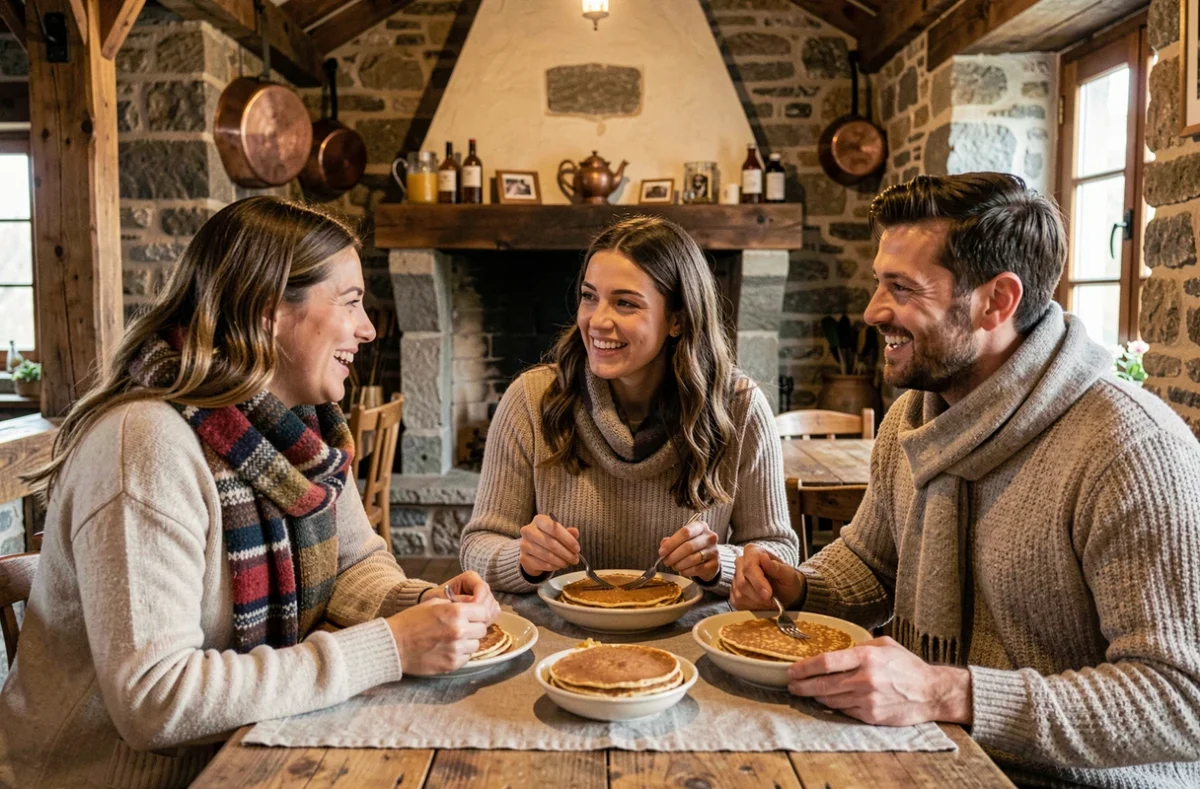
Reduced off-season attendance radically changes the experience. Breton heritage sites, often compact, become cumbersome when visitor density exceeds their comfortable capacity. In autumn or winter, these same places regain the tranquility that makes them appealing.
- Accommodation prices drop significantly between October and March, allowing for an extended stay without blowing the family budget
- Off-season activities (murder mystery parties, heritage workshops, night trails) specifically target a mixed audience of children and adults, whereas summer activities tend to segment more by age group
- The Breton autumn weather, often more stable than its reputation, is well-suited for short outdoor activities combined with indoor visits
Responsible tourism and leisure in Brittany: what is changing concretely
The guide Bretagne Durable et Responsable, published in June 2024, marks a turning point in how Breton leisure is presented. The responsible tourism offer is no longer limited to a few isolated eco-lodges. It now permeates water activities, heritage visits, and nature circuits.
Concretely, this translates into more demanding selection criteria for providers: waste management on-site, group size limitations, and awareness of local wildlife during sea outings. For families, these criteria provide a useful filter when choosing between two competing providers in the same area.
Linking local discovery and limited impact
We observe that the most satisfying leisure activities in Brittany combine three elements: a strong territorial anchoring (local product, living heritage, specific ecosystem), accessibility without a car when possible, and a real adaptation to the physical capabilities of each age group.
Providers who check these three boxes remain in the minority, but their numbers are growing. Identifying them ahead of the stay avoids disappointments on-site, especially with young children or grandparents with reduced mobility.
Brittany does not need yet another ranking of family activities. What is lacking is a technical reading of the offer: actual accessibility of sites, relevance off-season, integration into a car-free circuit. These criteria effectively filter leisure activities that deliver on their promises from those that only work in photos.