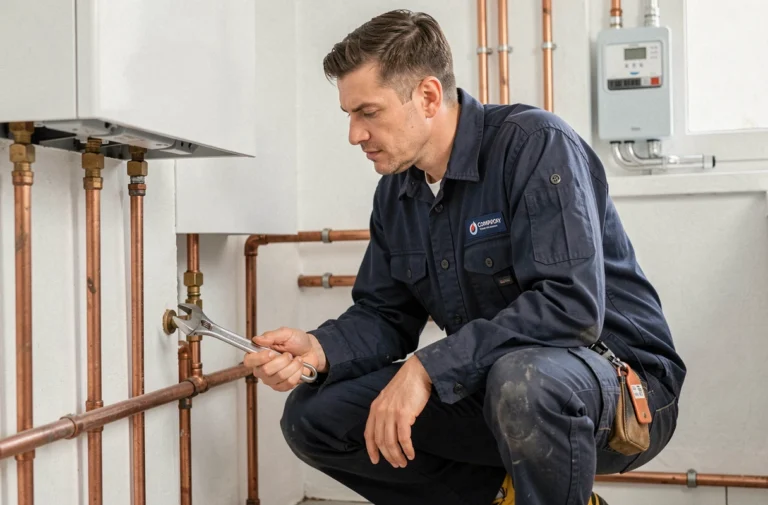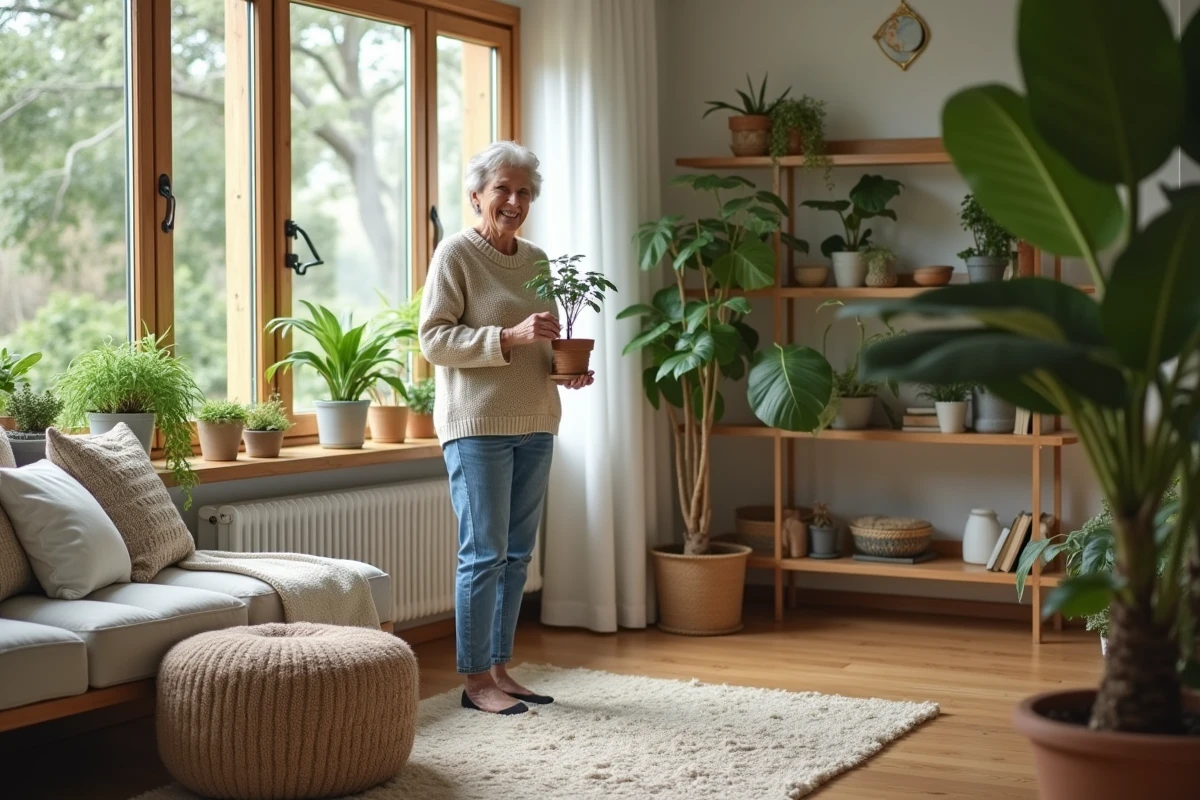
Changing a VMC filter when the air seems perfectly healthy? This gesture, although not intuitive, makes all the difference: invisible to the naked eye, a poorly ventilated home serves as a playground for dust mites and mold, those silent hosts that settle in our walls to trigger allergies and respiratory problems. Acting proactively, through small regular actions, limits these risks and protects the health of all inhabitants.
Choosing materials certified free of volatile organic compounds is not a luxury; it is a necessity in many urban homes where indoor pollution sometimes exceeds that of the street. Adapting your equipment, focusing on maintenance and simplicity: these are concrete levers for real quality of life, day after day, and a domestic balance that holds up.
Why the quality of life at home deserves your full attention
The quality of life at home is not just about superficial comfort. Well-being at home is built step by step, around a balance between thermal comfort, air purity, humidity management, and the selection of suitable materials. A well-insulated home retains heat in winter, pushes back heat waves in summer, reduces energy bills, and limits greenhouse gas emissions, accounting for nearly one-fifth of the national total. Here, every improvement counts, for the comfort of all and to limit the environmental impact of the home.
But it is not enough to insulate: health also lies in the details of daily life. Low-emission materials, the hunt for VOCs, and effective moisture control: all these parameters shape, in the long term, the quality of indoor air. An uncontrolled humidity level creates a breeding ground for mold, boosts dust mite populations, and worsens allergic reactions. Insulation is not just a matter of temperature: it also protects against noise turmoil. A controlled acoustic comfort calms the mind, promotes concentration, and makes the home a true refuge.
Renovating your home is also about anticipating the future. A reimagined kitchen, a sanitized bathroom, a renovated bedroom or terrace: these transformations add value to the real estate and preserve the heritage. High-performance windows, optimized natural light, and choosing simple solutions, every decision is made with longevity in mind. To guide your choices, don’t hesitate to consult the housing advice on Habitat Solutions: a reliable resource to move forward step by step and make your home a healthy, welcoming place, ready for tomorrow.
What simple actions can make your interior healthier and more comfortable?
In most homes, indoor air sometimes reaches pollution levels higher than those outside. To limit this phenomenon, a few habits need to be adopted.
- Taking ten minutes a day to open the windows is enough to expel a large part of the volatile organic compounds (VOCs) from paints, solvents, or cleaning products.
- Opt for cleaning products free of aggressive substances, reduce the use of aerosols, and favor easy-to-clean surfaces.
Controlling the humidity level is equally crucial. Excess humidity promotes the growth of mold and dust mites, while overly dry air weakens the respiratory tract. Installing or maintaining an effective controlled mechanical ventilation (VMC) system ensures regular air renewal. The result: fewer allergens, reduced odors, and less condensation on windows.
To improve the insulation of your home, it is important to address several key points.
- Replacing or reinforcing windows, insulating the roof and facade: these actions limit heat loss, optimize thermal comfort, and reduce energy consumption.
- Installing energy-efficient windows helps retain heat in winter while keeping it cool in summer.
Natural light also plays a role. Drawing the curtains, clearing window sills, and placing mirrors can increase indoor brightness. This light boosts morale, enhances concentration, and lightens the electricity bill. For less fortunate rooms, investing in high-performance LED lamps ensures comfortable and economical lighting.
Finally, one last point to monitor: the quality of the electrical network. Keeping wave-emitting devices away from sleeping areas, using appropriate protective conduits, are all actions that, when combined, enhance comfort and health on a daily basis.

Ecological and sustainable solutions for a home that reflects you
To go further, it is time to rethink the house as a whole, focusing on responsible choices and the future. Prioritizing natural and bio-based materials, wooden structures, vegetal insulation, solvent-free paints transforms indoor air and reduces exposure to pollutants. These choices are part of a long-term health and preservation logic.
Water is a resource to be conserved. Installing a rainwater collector to water the garden or supply sanitation helps limit pressure on the network. For the more committed, a greywater heat recovery system captures the energy lost in the shower to preheat clean water: an immediate, discreet, and sustainable energy gain.
Photovoltaic or solar thermal panels pave the way for self-production: less spending, lower carbon footprint. Greening the roof or facade invites biodiversity and enhances thermal comfort in summer while contributing to the fight against urban overheating.
Waste management naturally fits into this approach. The circular economy encourages reusing, recycling, composting, and sharing tools. Every action places the home in a collective, sustainable dynamic, where every resource regains its meaning.
Reinventing your habitat is not about chasing perfection, but moving forward, piece by piece, towards a space where health, comfort, and the environment finally find common ground. The next time you step through your front door, ask yourself: how could this place become, tomorrow, the best ally for your quality of life?