The roof plays a fundamental role in protecting your home from the elements. Different types of roofing materials exist, each offering specific advantages in terms of durability, insulation, and aesthetics. Choosing the right material can not only enhance the appearance of your home but also increase its value and energy efficiency.
Options range from traditional asphalt shingles to clay tiles, metal roofs, and integrated solar panels. Each choice has unique benefits: some are more weather-resistant, others offer better insulation or require less maintenance.
The different types of roofing materials
Clay tiles
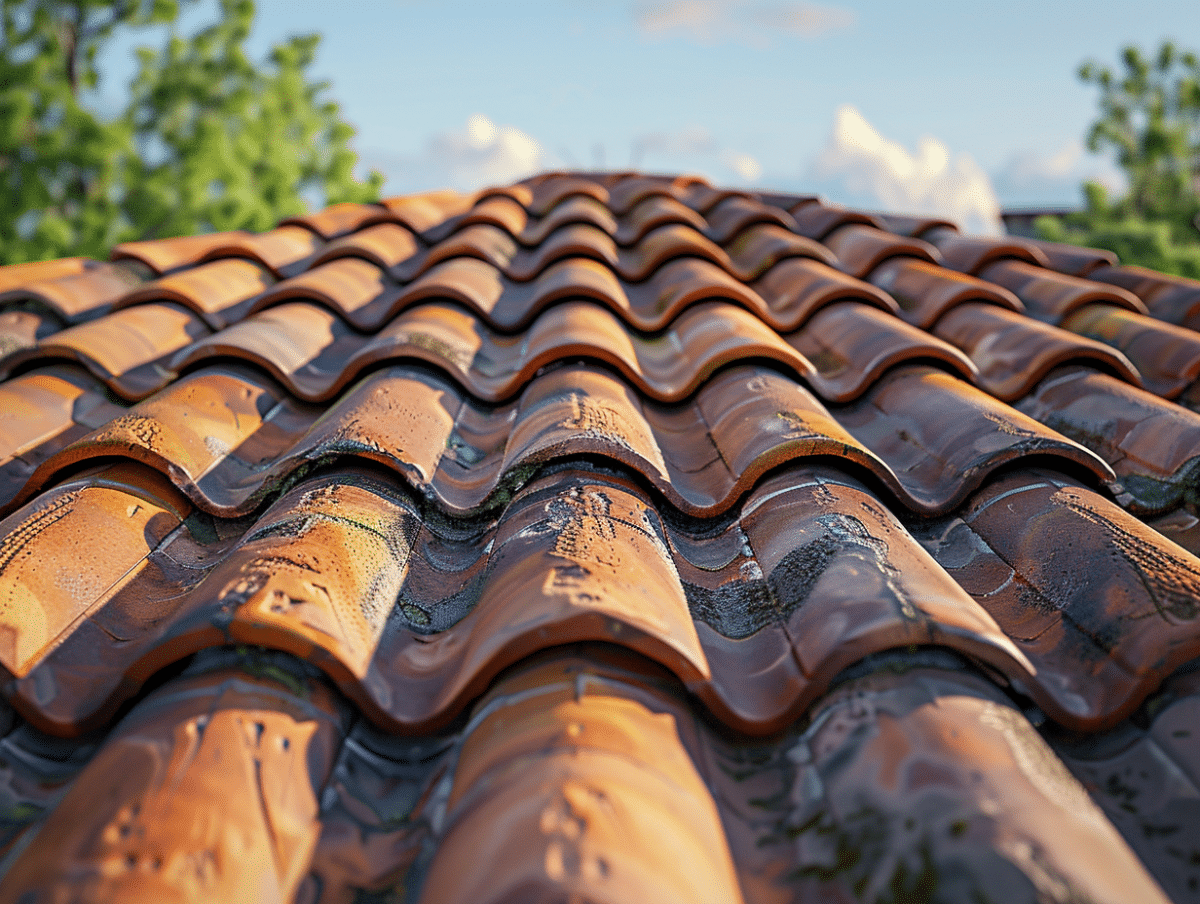
Clay tiles are a classic choice for many homes. They offer excellent durability and good thermal insulation. Their traditional aesthetic is perfect for Mediterranean-style homes or historic buildings.
Metal roofing
Metal roofing, often made of steel or aluminum, is prized for its strength and longevity. It withstands the elements and requires little maintenance. Metal roofs are lightweight, which reduces the load on the home’s structure.
Roof overhang and soffit cover
The covering of the roof overhang, known as the roof overhang, plays a protective role by preventing rainwater from entering under the roof. The soffit cover, on the other hand, protects the underside of the roof from birds and other pests while adding an aesthetic touch.
Materials for covering
- Wood: Wood offers a natural and warm aesthetic. It is well-suited for traditional homes.
- PVC: PVC is valued for its weather resistance and easy maintenance.
- Aluminum: Aluminum combines lightness and strength. It is ideal for a modern finish.
Roof covering is not limited to the main materials. Fascia boards, capping, and cornices are also essential for complete protection and a neat finish. These elements can be customized to harmonize with the overall aesthetic of the house while ensuring effective protection against the elements.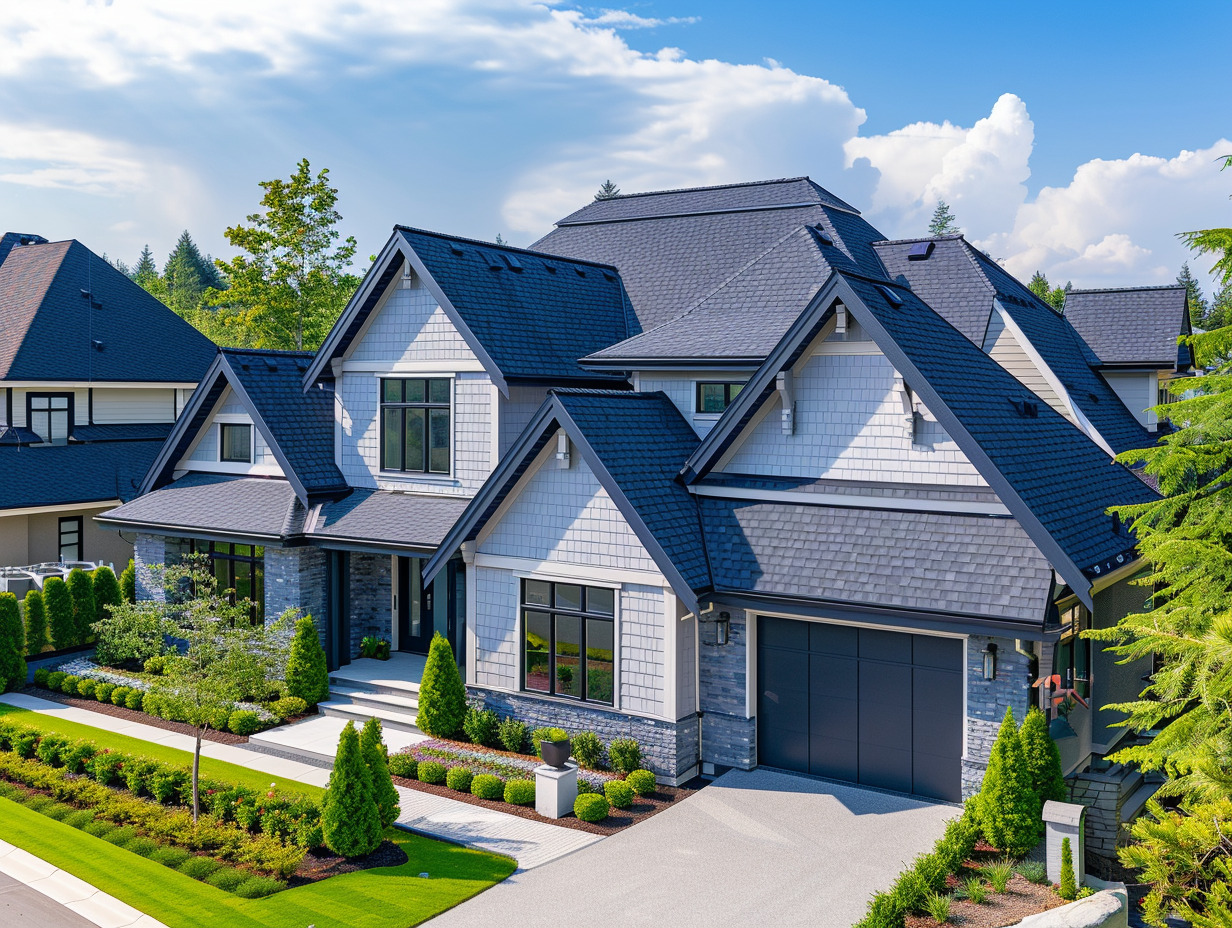
The advantages of each type of covering
Advantages of clay tiles
Clay tiles, appreciated for their traditional aesthetic, offer excellent thermal insulation. They are particularly suited for regions with varied climates. Their longevity and low maintenance make them a wise choice for protecting your home in the long term.
Advantages of metal roofing
Metal roofing stands out for its robustness and lightness. It is resistant to weather, fire, and pests. Metal roofs, often made of steel or aluminum, require little maintenance and can be recycled, making them an eco-friendly option. They are also ideal for low-slope roofs.
Advantages of covering roof overhangs
Covering roof overhangs, whether in wood, PVC, or aluminum, protects the underlying structures while adding an aesthetic touch. Wood provides a natural and warm aesthetic, while PVC and aluminum are durable and require little maintenance. The roof overhang protects the facade, terrace, and carport, and allows for the installation of gutters for better rainwater drainage.
Protection and decoration with fascia boards and cornices
Fascia boards and cornices play a fundamental role in protecting roof overhangs. They prevent water infiltration and damage caused by the elements. Made of wood, PVC, or aluminum, these elements provide a neat finish to your roof while ensuring the durability of the structure. Gutters, often associated with these coverings, facilitate rainwater drainage, thereby protecting the framework and walls of your home.